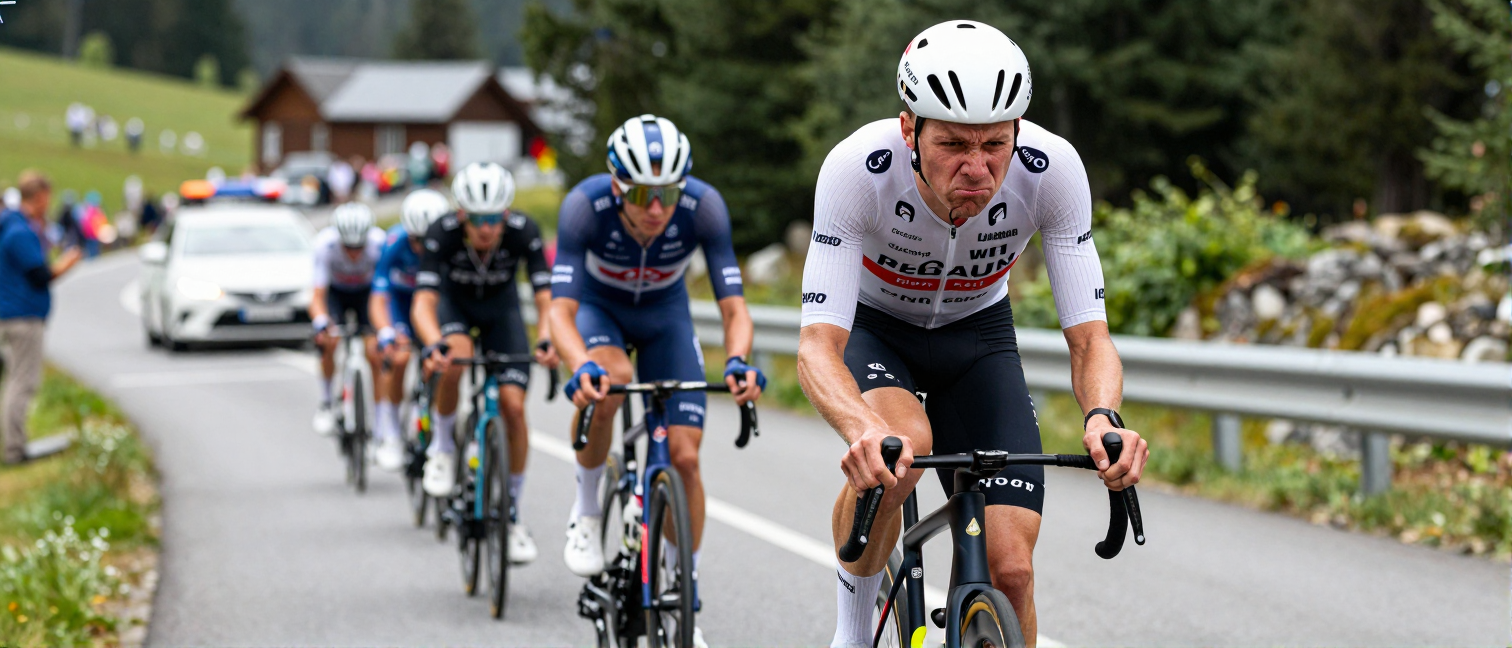
Tadej Pogacar told reporters on 5 July 2026 that his ongoing duel with Jonas Vingegaard at the Tour de France is set to last "years," underscoring the intensity of their rivalry and its impact on upcoming races.
How did Pogacar describe the rivalry?
Pogacar explained that both he and Vingegaard have pushed each other to new limits, turning every mountain stage into a tactical showdown. He noted that Vingegaard’s climbing prowess forces him to refine his own attacks, creating a cycle of improvement that benefits the sport. "We’re feeding each other," he said, adding that the competition fuels his motivation for the next Grand Tour.
Why does this matter for the Tour de France?
The back‑and‑forth between the Slovenian and the Danish rider has already produced dramatic finishes, and Pogacar believes it will keep the race unpredictable. Fans expect a tight battle for the yellow jersey, while teams must adapt strategies daily. This dynamic pushes other contenders to raise their game, making the overall race more exciting and commercially attractive.
What does Pogacar expect next?
Looking ahead, Pogacar hinted at targeting the 2027 edition with a renewed focus on time trials, hoping to offset Vingegaard’s climbing edge. He also mentioned that his training camp in the Alps will incorporate longer altitude rides to match the Danish rider’s endurance. "We’ll keep testing each other," he added, suggesting that future Tours will feature even tighter margins.
How will other riders react?
Rival cyclists like Primož Roglič and Remco Evenepoel have already commented on the Pogacar‑Vingegaard saga, saying it raises the bar for everyone. Evenepoel noted that the duel forces him to fine‑tune his sprint finishes, while Roglič believes the rivalry adds a narrative that draws new viewers. Teams are now scouting for riders who can support either leader in mountainous terrain, reshaping roster decisions across the peloton.
What does this mean for fans?
For spectators, the promise of a multi‑year rivalry translates into more storylines to follow. Merchandise sales, broadcast ratings, and social media engagement are all expected to climb as the two athletes continue to clash. Pogacar’s confidence that the battle will endure suggests that the Tour de France will remain a centerpiece of global sports conversation for the foreseeable future.
What are the broader implications?
Beyond the race itself, the Pogacar‑Vingegaard rivalry could influence sponsorship deals, with brands eager to associate with the drama. Cycling federations may also use the narrative to promote youth development programs, hoping to inspire the next generation of climbers and all‑rounders.
The conversation between Pogacar and Vingegaard is far from over, and each upcoming stage will add another chapter to a story that promises to captivate the cycling world for years to come.